Why Did My Pavlova Crack? 7 Causes and Fixes
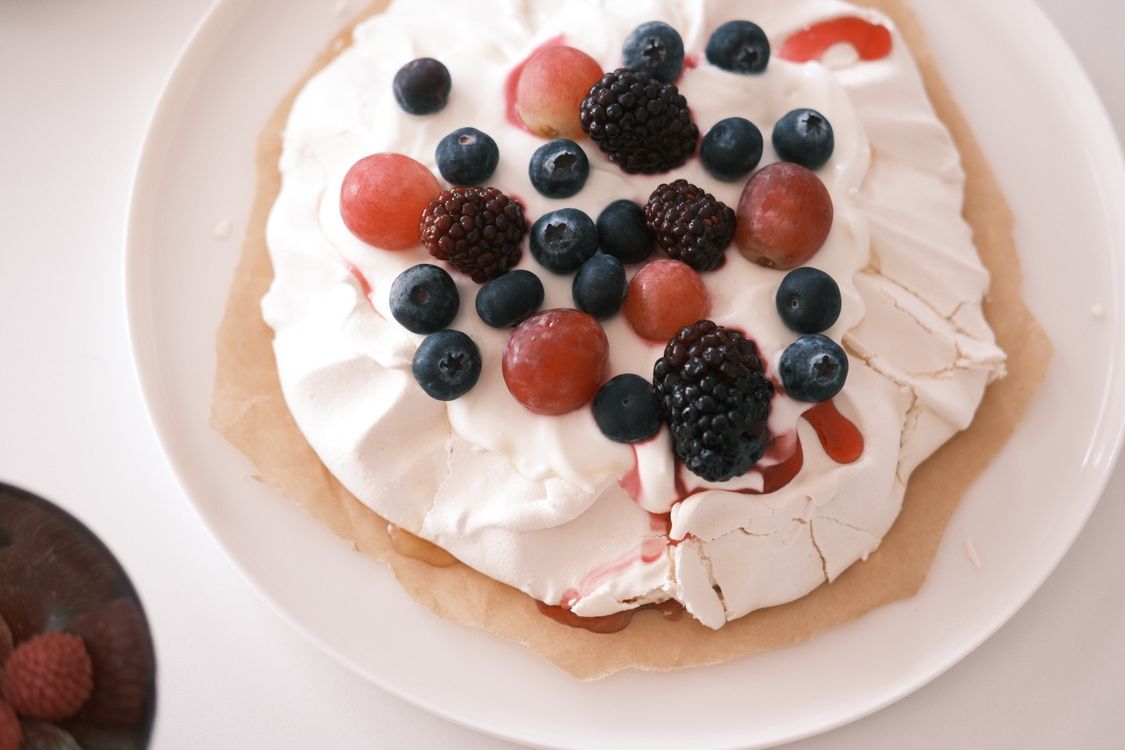
Photo by Gülnihalce via Pexels
If you are asking why did my pavlova crack, take a breath first: a fine crack across the top is not a failure, and even Nigella's pavlovas settle and split a little as they cool — that crisp, fragile shell is supposed to give way to a soft marshmallow centre. But a deep crack that splits the base open, or a shell that collapses in on itself, does have a cause, and it is almost always one of the seven below. Work through them and you will know exactly what to change next time.
The Short Answer
Pavlova cracks when the meringue expands or contracts faster than its delicate structure can cope with. The triggers are nearly always heat (too much of it, or losing it too quickly), sugar that never fully dissolved, or egg whites whisked past — or short of — the right point. The good news: every one of these is fixable, and none of them stops a pavlova tasting wonderful under a blanket of cream.
Cause 1: The Sugar Hadn't Fully Dissolved
This is the most common culprit of all. If caster sugar goes into the whites too fast, some of it never dissolves. In the oven those grains absorb moisture, melt into syrup and weaken the shell from inside — you get cracks, sometimes with tiny sticky beads of syrup weeping through them.
The fix is patience: add the sugar a spoonful at a time, whisking well between additions, and before shaping the pavlova, rub a little of the mixture between your finger and thumb. It should feel completely smooth. If it feels gritty, keep whisking.
Cause 2: The Oven Was Too Hot
Meringue is dried more than it is baked. Too fierce an oven makes the outside set and expand quickly while steam pushes from inside, and the shell splits to let it out. It can also over-brown and turn fragile.
Nigella's method handles this neatly: the pavlova goes into a hot oven (180°C, 160°C fan) which is then immediately turned down to 150°C (130°C fan) for the whole bake. That initial heat sets the shape; the gentle heat dries it without stress. An oven thermometer is worth its drawer space — many home ovens run 10–20 degrees hot.
Cause 3: It Cooled Down Too Fast
A pavlova taken from a warm oven into a cool kitchen contracts suddenly, and the shell cracks like cooling glass. This is the crack that appears not in the oven, but in the first hour afterwards.
The classic cure is to let it cool where it baked: switch the oven off, prop the door slightly ajar with a wooden spoon, and leave the pavlova inside until completely cold — overnight is fine, and honestly the easiest. Nigella's chocolate pavlova is cooled exactly this way.
Cause 4: The Whites Were Overwhisked — or Underwhisked
Underwhisked whites are weak: the foam cannot hold its shape and the pavlova spreads, sinks and splits as it sets. Overwhisked whites are the sneakier problem — whisk past glossy and the foam turns dry and grainy, and a dry foam cracks as it dries out further in the oven.
You are aiming for stiff, smooth, glossy peaks that hold their shape when you lift the whisk, with a shine like satin. The moment it looks matte or starts to separate into clumps, you have gone too far.
Cause 5: The Oven Door Was Opened
Every peek lets out a rush of heat and lets in cool air, and a half-set meringue responds by cracking or sinking in the middle. Steam escaping from a crowded oven — say, a tray of roast potatoes sharing the space — does similar damage.
Give the pavlova the oven to itself, use the oven light to check on it, and accept a little mystery until the timer finishes.
Cause 6: A Humid Day
Meringue is hygroscopic — it pulls moisture out of the air. On a damp, steamy day (or in a kitchen full of boiling pans) the shell softens, sticks and cracks as it dries unevenly. This is also why a finished pavlova goes tacky if it sits out in humid weather.
If you can, bake pavlova on a dry day, keep other pans off the boil while it bakes, and store the undecorated base in an airtight tin until the moment it is needed.
Cause 7: It Was Moved While Still Warm
A warm pavlova is at its most fragile — the centre is still soft and settling. Sliding it off its paper, inverting it or carrying it across the kitchen too soon can split the base clean through.
Nigella's chocolate pavlova is inverted onto its serving plate only once it is completely cold, and even then gently. Follow the same rule for every meringue: cold first, courage second.
How to Stop It Cracking Next Time
A short checklist worth pinning to the fridge:
- Use eggs at room temperature — they whisk to a greater, more stable volume.
- Add the sugar one spoonful at a time and do the finger-rub test for grittiness.
- Whisk to stiff, glossy peaks — and stop there.
- Turn the oven down the moment the pavlova goes in, as the recipe directs.
- Keep the door shut for the whole bake; check through the glass.
- Cool completely in the switched-off oven with the door ajar.
- Move and top the pavlova only once it is fully cold.
Already Cracked? How to Rescue It
Here is the secret every pavlova baker learns: whipped cream covers a multitude of sins. A hairline crack disappears entirely under cream and fruit, and even a deep split can be gently pressed back together and hidden the same way — nobody at the table will ever know.
If the base has truly collapsed, break it into generous pieces, layer it in glasses with cream and berries, and call it what it now is: a pavlova mess, in the proud tradition of Eton mess. It will taste every bit as good.
I'll be honest, meringue used to scare me — all that talk of weeping, cracking and collapsing. This is the pavlova that changed that. The shell bakes up crisp and deeply chocolatey, the middle stays soft as marshmallow, and you finish the whole thing with a pile of cream and raspberries. It looks like a special-occasion dessert, but there's nothing difficult here at all…
See the RecipeFrequently Asked Questions
Is it normal for a pavlova to crack a little?
Yes. A fine surface crack or two is completely normal — the shell is crisp and fragile by design, and it settles as it cools. Nigella's own pavlovas crack slightly. Only deep splits or a collapse point to a problem with sugar, temperature or cooling.
Why is my pavlova weeping sticky syrup?
Weeping is the classic sign of undissolved sugar. Grains left in the foam melt in the oven and leak out as syrup. Add sugar gradually, whisk longer, and rub the mixture between your fingers before shaping — it should feel completely smooth, never gritty.
Should pavlova cool in the oven?
Yes — cooling slowly in the switched-off oven with the door slightly ajar is the single best defence against cracking. Sudden temperature change is a leading cause of splits, so leave it until completely cold, even overnight.
Why did my pavlova sink in the middle?
Sinking usually means the whites were underwhisked, the oven door was opened mid-bake, or the pavlova was underbaked and the centre never set. Whisk to stiff glossy peaks, keep the door shut, and give it the full baking time before cooling it slowly.
Can I still serve a cracked pavlova?
Absolutely. Top it as planned — whipped cream and fruit hide cracks completely. If it has broken apart, layer the pieces with cream and berries in glasses for a pavlova mess. The flavour is unaffected.